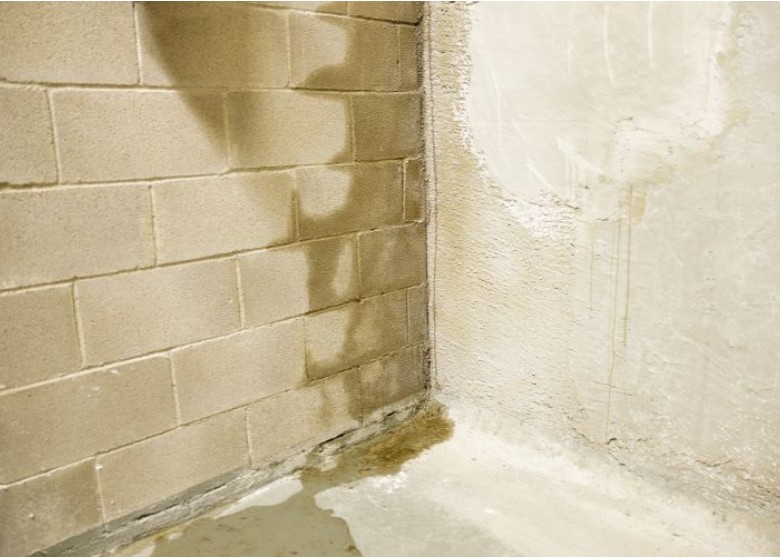
A dry basement is more than a nice bonus. It helps protect your home, your belongings, and the comfort of everyone living there. Since basements sit below ground level, they face constant pressure from soil, rainwater, melting snow, and moisture around the foundation. When water finds its way inside, even a small damp spot can indicate a larger issue brewing behind the scenes.
Many homeowners first notice basement moisture through musty smells, wall stains, peeling paint, or damp floors. These signs may seem minor at first, but they should not be ignored. Interior basement waterproofing in Quincy helps manage water inside the basement and directs it away before it creates more damage. For homeowners researching local service options, quincybasementwaterproofing.com may be a helpful place to learn more about basement waterproofing services in the area.
The good news is that homeowners have more control than they might think. By learning what causes basement moisture, spotting warning signs early, and understanding how waterproofing works, you can make smart decisions before water problems grow.
Why Basements Are Vulnerable To Water
Basements are built below ground, which means they are surrounded by soil. After heavy rain or snowmelt, the soil can become saturated. As pressure builds, water may push against basement walls and floors. Over time, it can enter through cracks, gaps, joints, or weak points in the foundation.
Poor drainage around the home can make the problem worse. If gutters are clogged, downspouts drain too close to the foundation, or the yard slopes toward the house, water collects where it should not. Once water sits near the foundation, it looks for the easiest path inside.
Some basement water problems also come from aging materials. Concrete can crack, seals can wear down, and older drainage systems may no longer work well. These issues do not correct themselves, so early attention matters.
Common Warning Signs Homeowners Should Watch
Water problems do not always begin with a flooded basement. In many cases, the first clues are small and easy to miss.
Look for musty odors, damp walls, white powdery stains, bubbling paint, warped flooring, or small puddles near the wall. You may also notice higher indoor humidity or boxes and stored items feeling damp. These signs often mean moisture is entering or lingering in the basement.
Cracks in the basement floor or walls also deserve attention. Not every crack means disaster, but cracks may give water a pathway inside. If you see new cracks, growing cracks, or water stains nearby, it is time to take the issue seriously.
What Interior Basement Waterproofing Does
Interior basement waterproofing focuses on controlling water entering the basement. Instead of letting moisture spread across floors or soak into materials, a waterproofing system collects water and moves it away from the home.
A common system may include interior drain tile, drainage channels, a sump pump, vapor barriers, and crack sealing where needed. The exact setup depends on the basement, the foundation, and how water is entering.
The main goal is simple: capture water, direct it properly, and reduce the chance of ongoing basement moisture. Interior basement waterproofing is often a practical choice for homeowners because it works inside the home without major exterior digging in many cases.
Helpful Maintenance Tips For A Drier Basement
Professional waterproofing plays a major role, but regular maintenance also helps reduce the risk of water damage.
Start outside the home. Clean gutters so rainwater flows freely. Extend downspouts several feet away from the foundation. Check that the soil slopes away from the house instead of toward it. These small steps help keep water from gathering around basement walls.
Inside the basement, use a dehumidifier when humidity feels high. Keep stored items off the floor, especially cardboard boxes. Watch for plumbing leaks near washers, water heaters, utility sinks, or pipes. A small leak can create a damp basement even when the foundation is not the main issue.
It also helps to inspect the basement after heavy rain. Walk around the walls, corners, windows, and floor edges. Catching water early gives you a better chance to limit damage.
Why A Professional Inspection Matters
Basement moisture can be tricky. What looks like a small stain may be connected to drainage, soil pressure, foundation cracks, or a failing sump pump. A professional inspection helps identify the source instead of guessing.
During an inspection, a waterproofing specialist may look at wall conditions, floor cracks, humidity levels, drainage paths, sump pump performance, and signs of water entry. This helps homeowners understand what is happening and what type of repair may be needed.
Guesswork can become expensive. Painting over stains or using temporary sealants may hide the problem for a short time, but water usually returns if the cause is not addressed.
Common Myths About Basement Water
One common myth is that a little basement moisture is normal. While basements may feel cooler than the rest of the home, damp walls, odors, and water stains should not be treated as normal. They often mean water is entering or humidity is being trapped.
Another myth is that waterproof paint solves everything. Coatings may improve surface appearance, but they do not eliminate water pressure or resolve drainage concerns. When water keeps pushing through the foundation, paint alone is rarely enough.
Some homeowners also think basement leaks only matter during big storms. In reality, water problems can develop slowly over time. Soil moisture, poor drainage, and cracks can create ongoing issues even without major flooding.
For more information about moisture and mold prevention in homes, the U.S. Environmental Protection Agency offers helpful guidance here: https://www.epa.gov/mold
The Long-Term Value Of Early Action
Taking action early can help protect the home from larger repair costs. Water can damage flooring, drywall, insulation, furniture, stored belongings, and structural materials. It can also create a damp environment where mold may grow.
Interior basement waterproofing provides homeowners with a stronger defense against recurring moisture issues. It also makes the basement more usable, whether for storage, laundry, hobbies, or a finished living space.
A dry basement adds peace of mind. Instead of worrying every time heavy rain is in the forecast, homeowners can feel more confident that water is being managed properly.
Summary
Basement water problems often start small, but they should never be ignored. Musty odors, damp walls, stains, cracks, and high humidity can all indicate moisture issues that need attention. By keeping gutters clear, improving drainage, watching for warning signs, and considering interior basement waterproofing when needed, homeowners can protect their homes before problems grow.
If you have noticed damp walls, basement odors, water stains, or recurring moisture, contact Quincy Basement Waterproofing Experts today. Our team helps homeowners understand their basement conditions and choose practical waterproofing options that protect the home in the long run.