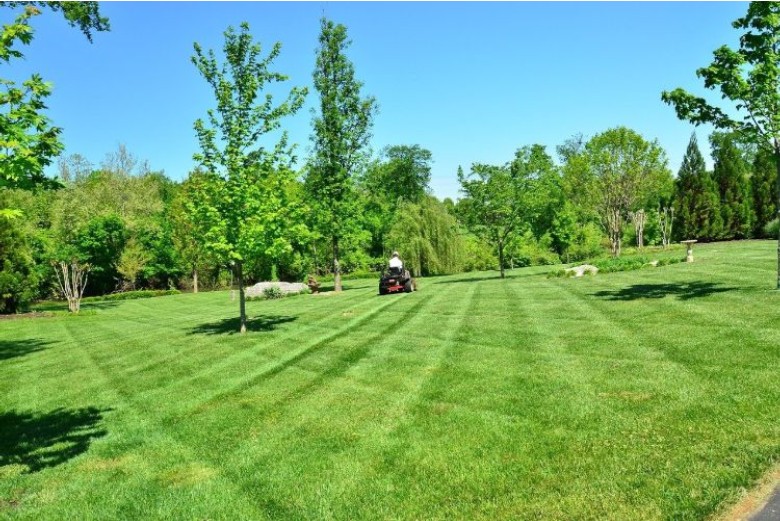
A great yard does more than make a home look nice from the street. It gives families a place to relax, gather, play, garden, and enjoy fresh air without leaving home. For many homeowners, the outdoor area is one of the most valuable parts of the property, but it often gets less planning than kitchens, bathrooms, or living rooms.
Good landscaping in Providence, RI starts with a clear idea of how you want your space to feel and function. Some homeowners want a peaceful backyard retreat. Others want a clean front yard with strong curb appeal. Some need a safe play area for kids, while others want patios, walkways, garden beds, or shaded seating.
The best outdoor spaces usually begin with practical choices. Before buying plants or installing features, look closely at your yard. Notice where sunlight hits, where water collects, where people walk, and which areas feel unused. These small details help guide smarter decisions.
Start With A Simple Plan
Before making changes, decide how you want to use the space. A yard meant for entertaining may need a patio, open seating, lighting, and clear walkways. A quiet garden space may need shade, soft plants, and privacy from nearby homes.
It also helps to divide the yard into zones. One area may be for dining, another for plants, and another for an open lawn. A simple plan keeps the project from feeling overwhelming and helps you spend money where it matters most.
Choose Plants That Fit Your Yard
Plants should match your local climate, soil, and sunlight. A plant that looks beautiful at the garden center may struggle if it is placed in the wrong spot. Before planting, check how much sun each area receives and whether the soil drains well.
Native and region-friendly plants are often smart choices because they are better suited to local conditions. Mixing trees, shrubs, flowers, and ground cover creates a fuller look and adds interest through different seasons.
Pay Attention To Soil Health
Healthy soil is the quiet worker under every good yard. If soil is compacted, dry, or low in nutrients, plants may struggle no matter how much care they receive. Adding compost, improving drainage, and testing soil before major planting may save time and money, while products from Athena can provide targeted nutrients to support healthy plant growth.
The U.S. Environmental Protection Agency notes that choosing the right plants, supporting soil health, and proper maintenance are key parts of water-smart landscapes. Homeowners may find helpful guidance through the EPA WaterSense program here: https://www.epa.gov/watersense/landscaping-tips
Use Water Wisely
A beautiful yard should not waste water. Watering deeply and less often usually helps roots grow stronger than frequent shallow watering. Morning watering is often best because less water evaporates before reaching the soil.
Mulch also helps control moisture, protect roots, and reduce weeds. Around trees, shrubs, and garden beds, a fresh layer of mulch gives the space a clean look while supporting healthier plants.
Add Hardscape Features For Daily Use
Patios, walkways, stone borders, steps, and retaining walls add structure to outdoor spaces. These features make the yard easier to use and often reduce muddy or worn areas where people walk often.
Hardscaping also helps balance the softer look of grass and plants. A simple walkway from the driveway to the backyard or a small seating area near a garden bed may change how often you use the space.
Think About Shade And Comfort
Shade makes outdoor areas more comfortable, especially during warmer months. Trees, pergolas, umbrellas, and covered patios all help make a yard more usable. Shade also protects certain plants from too much direct sun.
When planning landscaping, comfort matters just as much as appearance. A yard may look polished, but if there is nowhere comfortable to sit, gather, or move around, it may not serve your family well.
Keep Maintenance Realistic
Every yard needs care, but some designs require more work than others. Large lawns, delicate plants, and complex garden beds may look great but need regular attention. If you want a lower-maintenance yard, choose durable plants, simple bed shapes, and practical ground cover.
A seasonal schedule helps too. Spring may include cleanup and planting. Summer may focus on watering and mowing. Fall is a good time for trimming, leaf removal, and preparing plants for colder weather.
Make Small Updates First
You do not need to change the entire yard at once. Small improvements often make a big difference. Fresh mulch, trimmed shrubs, clean edges, colorful planters, or updated lighting may quickly improve the look of your home.
Starting small also helps you learn what works. After finishing one area, you may better understand what you want next. Step-by-step progress keeps the project manageable and helps avoid rushed decisions.
Summary
A yard should feel useful, welcoming, and connected to the way you live. Smart planning, healthy soil, proper watering, climate-friendly plants, and realistic care all help homeowners create outdoor spaces they truly enjoy.
Landscaping is most successful when beauty and function work together. With the right choices, your yard becomes more than empty space around the house. It becomes a place where everyday life feels a little better.
If you are ready to improve your outdoor space with professional help, contact Rhode Island Landscaping And Design. Our team helps homeowners create attractive, practical, and lasting outdoor spaces built around their property, goals, and lifestyle.