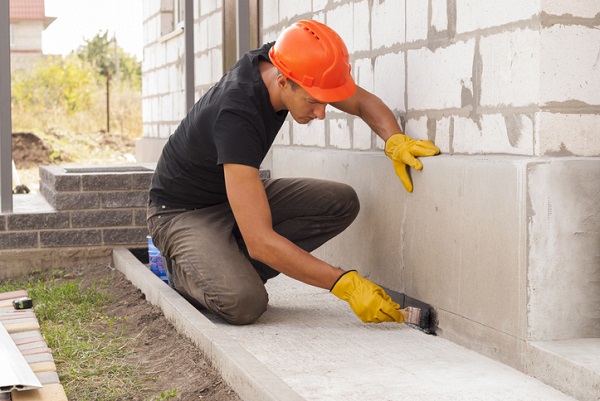
A foundation does some of the hardest work in a house, even though most people rarely think about it. It supports the structure above, manages pressure from surrounding soil, and stays exposed to changing moisture levels underground. When something begins to shift, the first warning signs may appear far away from the foundation itself. Cracks in walls, uneven floors, or doors that suddenly stick may all deserve attention.
Modern concrete foundation repair has changed as inspection tools, materials, and repair methods have improved. Contractors now have better ways to measure foundation movement and assess the conditions around a structure before deciding how to correct a problem. Instead of focusing only on a visible crack, modern repair planning looks deeper at what caused the movement in the first place.
Understanding these changes gives property owners a better chance to spot problems early, ask useful questions, and make informed decisions when foundation work becomes necessary.
Recognizing Foundation Problems Before They Grow
Foundation problems do not always begin with dramatic damage. Many start with small changes that are easy to overlook.
Common warning signs include stair-step cracks in brick, cracks along foundation walls, sloping floors, sticking windows, doors that no longer close properly, and gaps where walls meet ceilings or trim. Water collecting near basement walls may also point to drainage conditions that deserve attention.
A small crack does not automatically mean a major structural problem. Concrete naturally develops some cracks as it cures, and seasonal changes may also affect building materials. What matters is the crack’s location, direction, width, and whether it continues changing.
Taking photos and checking questionable areas every few months can make changes easier to notice. When cracks widen, or additional symptoms begin appearing, scheduling an evaluation may prevent a manageable concern from becoming a much larger project.
Early concrete foundation repair often begins with understanding exactly how much movement has occurred and where it is happening.
Smarter Inspections Give Contractors Better Information
Foundation inspections have become more detailed than simply walking around a building and looking for cracks.
Contractors may now use laser levels or digital elevation tools to measure differences across floors. These measurements can reveal settlement patterns that may not be obvious to the naked eye. Moisture meters can also identify areas affected by excess water.
Crack monitoring devices offer another useful tool. Instead of guessing whether a crack is growing, you can record measurements over time. Photos and written records create a clearer picture of how a foundation is behaving.
Contractors may also examine soil conditions, grading, drainage patterns, gutters, downspouts, and nearby erosion.
That information matters because foundation movement has many possible causes. Soil may expand when wet and shrink when dry. Poor drainage can wash soil away or keep it overly saturated. Plumbing leaks may introduce moisture beneath a structure. In other cases, the original construction or structural loads may contribute to settlement.
Modern concrete foundation repair works best when the cause is identified before work begins.
Modern Repair Methods Offer More Targeted Solutions
Foundation repair is not based on one universal method. The right approach depends on the structure, soil, type of movement, and severity of the damage.
Push piers are one option for stabilizing certain settling foundations. Steel sections are driven into stronger soil layers beneath the structure. The foundation load can then be transferred to more stable material underground.
Helical piers work differently. They have screw-shaped plates that allow them to be installed into the soil. They may be used for stabilization or support depending on the structure and site conditions.
Bowing foundation or basement walls may require wall anchors, braces, or other stabilization systems. These methods are designed to resist continued inward movement.
Cracks may also be repaired with epoxy or polyurethane materials. However, sealing a crack alone may not solve the problem if the foundation is still moving.
Water management is another important part of some repair plans. Improving grading, extending downspouts, correcting drainage, or installing drainage systems may reduce the amount of water collecting around foundation walls.
Effective concrete foundation repair matches the method to the cause instead of treating every crack the same way.
Why Finding The Cause Matters
A visible crack is often a symptom, not the entire problem.
Imagine a crack developing because part of a foundation has settled several inches. Filling the crack may improve its appearance, but the opening could return if the foundation continues moving.
A thorough evaluation may look at soil conditions, drainage, structural loads, construction details, previous repairs, and measurements showing where settlement has occurred.
Property owners should feel comfortable asking questions during this process. What caused the movement? Is the foundation still moving? What will the proposed repair accomplish? Will the repair stabilize the structure, lift it, seal it, or do several things at once?
For additional information about government programs related to home repairs and improvements, visit USAGov’s home repair assistance resource. The page provides information about federal and local programs that may apply to qualifying repair projects.
Understanding the reason behind a repair makes it easier to evaluate the proposed solution.
Simple Steps May Reduce Future Foundation Stress
Foundation maintenance does not require complicated equipment. Some of the most useful steps involve managing water around the building.
Keep gutters clear so rainwater can flow freely. Downspouts should discharge water away from foundation walls rather than releasing it directly beside the structure.
Check the soil around the building as well. The ground should generally guide surface water away instead of letting it pool near the foundation. Areas where soil has washed away may also deserve attention.
Watch for plumbing leaks, especially near or beneath the foundation. Even a slow leak may change soil moisture over time.
It is also useful to inspect existing cracks occasionally. Take clear photos with dates so changes are easy to compare.
These steps cannot prevent every foundation problem, but they can reduce avoidable moisture issues and make developing problems easier to notice.
What Happens During A Foundation Repair Project?
A typical repair process starts with an inspection. The contractor examines visible damage, asks about changes you have noticed, and takes measurements when needed.
Next comes diagnosis. The contractor uses the inspection findings to identify possible causes and determine which areas require attention.
You should then receive an explanation of the proposed repair method. A clear proposal should describe what work will be completed, which areas will be treated, and what the repair is designed to accomplish.
Installation follows once the plan is approved. The project length depends on the repair method, foundation type, accessibility, and extent of the damage.
Afterward, the repaired areas should be reviewed, and any future monitoring requirements explained.
A well-planned concrete foundation repair project should leave you with a clearer understanding of what happened beneath the structure and what was done to stabilize or correct it.
A Smarter Approach Starts With Awareness
Foundation problems are easier to manage when you notice them early and evaluate them carefully. New inspection technology and improved repair methods let contractors gather more information before deciding how to treat a structure.
Watch for changing cracks, uneven floors, sticking doors, drainage problems, and other unusual signs around the building. Asking questions and understanding the cause of foundation movement can also make repair decisions far less confusing.
Today’s concrete foundation repair methods focus increasingly on accurate evaluation, appropriate stabilization, and solutions that match the conditions affecting each structure.
If you’re noticing foundation cracks, uneven floors, sticking doors, or other signs of structural movement, Greenwood Foundation Repair Specialists is ready to evaluate your foundation and explain your options. Contact us today to schedule an inspection and find out what your foundation may need.