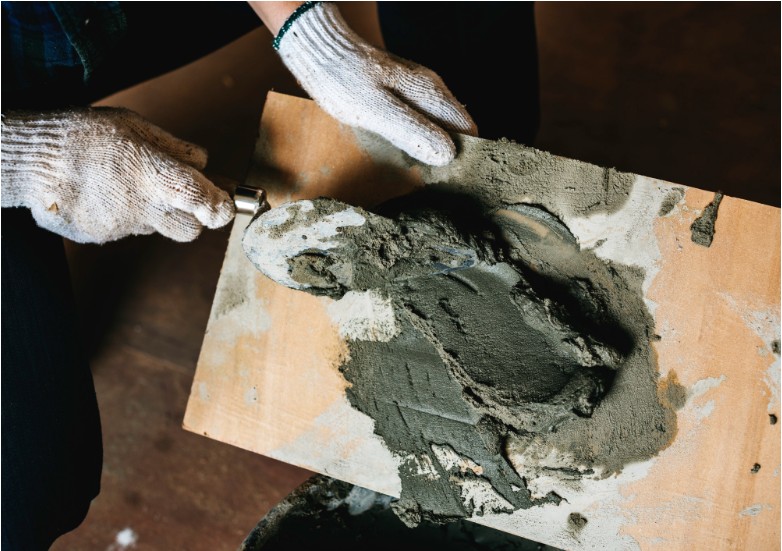
Concrete bonding is how one layer bonds to another layer of concrete or repair material. When the bond is poor, the surface can crack, peel or come apart over time. The strong bonds help keep the structure solid, even when it’s carrying a heavy weight or experiencing the wear and tear of daily use.
Adhesion is one of the key parts of extending concrete’s life.
Clean The Surface Properly
A clean surface allows new material to adhere better. Dust, dirt, oil and loose concrete must be scrubbed off. Nothing should impair the bond.
The surface should be rough after cleaning. This helps new layers get a better hold. Grinding or blasting creates texture to make the bond stronger.
Control Moisture Levels
Water in concrete can affect adhesion of new layers. If the surface is too wet, the bond can be weak or uneven. Slightly dry surface before application of any materials. It is also important to make sure that there is no excess water inside the concrete, since moisture trapped inside can cause lifting or bubbling later.
Use A Primer Layer
A primer also helps the new material bond better to the old concrete. It works by filling up little holes and making a stronger link between layers. Some primers soak into the surface, others form a bonding layer on top. Many construction jobs use epoxy application as a primer . It creates a strong grip and helps improve long-term strength between layers .
Apply Bonding Agents
Bonding agents are materials used to help fresh concrete stick to old surfaces. They are usually applied before repair or new concrete is placed. These agents work by improving the grip between layers so they do not separate easily. Some are liquid-based and brushed on, while others are mixed into repair materials for added strength.
Control Temperature During Work
Temperature plays a big role in how well concrete bonds. If it is too hot, materials can dry too quickly and weaken the bond. If it is too cold, the material may not set properly. Working in the right temperature range helps the materials stick better and cure evenly. This leads to stronger and longer-lasting results.
Use The Right Repair Materials
Different repair jobs need different types of materials. Some are made for fast repairs, while others are made for heavy-duty use. Choosing the right one helps improve bonding strength and overall performance. Using the wrong mix can lead to weak spots or early damage, especially in areas with heavy traffic or load.
Apply Layers With Care
How the material is applied affects how well it bonds. It should be spread evenly so there are no gaps or air pockets. Timing is also important because each layer needs to be placed while the previous one is still ready to bond. In some systems, epoxy application is used between layers to improve sticking power and reduce weak separation points.
Let It Cure Properly
Curing is the time needed for concrete or repair material to fully harden. If this step is rushed, the bond may not reach full strength. The surface should be protected during curing so dust, water, or damage does not affect it. Giving enough time for curing helps ensure the final surface becomes strong and stable.
Wrapping Up
Strong concrete bonding comes from simple steps done right. Clean the surface well, make it rough, and control moisture. These steps help new layers stick better and last longer.
In many projects, epoxy application is used to improve bonding and add extra strength between layers. When all steps are followed properly, the concrete becomes more durable and less likely to fail.