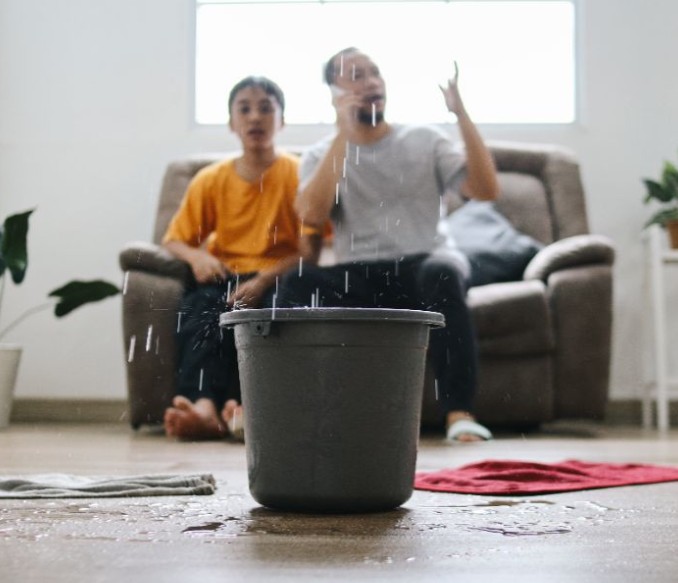
Flooding is one of the most stressful events a property owner can experience. Whether caused by a severe storm, overflowing rivers, burst pipes, or malfunctioning appliances, water spreads quickly and leaves behind more than just visible damage. Floors, walls, furniture, and personal belongings may all be affected within a short period of time. Acting promptly helps reduce damage and supports a smoother recovery.
Understanding the restoration process helps homeowners know what to expect after a flood. Flood damage restoration involves much more than removing standing water. Homeowners searching for reliable information often visit rapidwaterdamagetampa.com to learn about the restoration process, common flood-related concerns, and recovery options. The goal is to safely dry, clean, repair, and restore the property while limiting further damage.
Although every flooding situation is different, the overall restoration process follows a series of important steps. Knowing how each stage works makes it easier to respond confidently when unexpected water damage occurs.
Common Causes of Flood Damage
Flood damage comes from many different sources. Heavy rainfall, hurricanes, drainage system overflows, broken plumbing, roof leaks, and appliance failures can introduce large amounts of water into a building.
Once water enters a property, it quickly seeps into porous materials such as drywall, insulation, carpeting, and wood framing. Moisture also finds its way beneath flooring and behind walls, where it often remains hidden. Because of this, delaying cleanup increases the amount of work needed during flood damage restoration.
Step One: Removing Standing Water
The first priority is removing as much standing water as possible. The faster this happens, the lower the chance of additional damage to structural materials and personal belongings.
Restoration professionals typically use specialized equipment such as:
- High-capacity water extractors
- Submersible pumps
- Wet vacuums
- Portable extraction systems
Professional equipment removes water much faster than household tools, allowing the drying process to begin sooner.
Step Two: Thorough Drying and Dehumidification
Removing visible water is only part of the job. Moisture often remains trapped inside walls, ceilings, flooring, and framing materials.
To locate and remove hidden moisture, restoration crews commonly use:
- Commercial air movers
- Industrial dehumidifiers
- Moisture meters
- Thermal imaging cameras
These tools help determine when materials have dried to acceptable levels. Proper drying reduces the chance of lingering moisture causing additional damage later.
Step Three: Cleaning and Sanitizing
Floodwater may contain dirt, bacteria, chemicals, and other contaminants depending on where it originated. Cleaning affected surfaces is an important part of making the property safe again.
During this stage, restoration professionals often:
- Clean hard surfaces
- Sanitize affected areas
- Apply antimicrobial treatments when appropriate
- Remove odors
- Clean salvageable furniture and belongings
A clean environment also prepares the property for the repair phase.
Step Four: Repairing the Property
After drying and cleaning are complete, repairs begin. Every project is different, depending on how much water entered the structure and how long it remained.
Repairs may include replacing damaged drywall, installing new flooring, repairing trim, repainting walls, or restoring cabinetry. The objective of flood damage restoration is to return the property to a safe, functional condition while preserving as many materials as possible.
Why Acting Quickly Makes a Difference
Time plays a major role in every restoration project. Water continues spreading long after the initial flooding begins, affecting more areas of the property with each passing hour.
Responding quickly offers several benefits:
- Reduces damage to building materials
- Shortens drying time
- Helps preserve personal belongings
- Limits repair costs
- Allows families or businesses to return sooner
Even minor flooding deserves immediate attention because hidden moisture often exists where it cannot be seen.
What Property Owners Should Do After a Flood
The first few hours after flooding are important. Staying calm and following a few practical steps helps protect everyone involved.
Consider the following recommendations:
- Avoid standing water if electricity may be present.
- Shut off utilities if it is safe to do so.
- Take photos of all visible damage.
- Move valuable belongings away from affected areas.
- Contact your insurance company promptly.
- Arrange for a professional inspection.
Avoid removing walls or flooring without understanding how much moisture remains inside the structure. Professional equipment provides a more complete assessment.
Working Through the Insurance Process
Insurance claims often move more smoothly when documentation is organized from the beginning. Photographs, videos, receipts, and written records all help demonstrate the extent of the damage.
Many restoration professionals document moisture readings, damaged materials, and completed work throughout the project. Keeping these records together makes communication with insurance representatives much easier.
Reducing the Risk of Future Flood Damage
While no property is completely protected from flooding, regular maintenance helps reduce the chances of major water intrusion.
Helpful preventive measures include:
- Clean gutters and downspouts regularly.
- Inspect roofing for damaged areas.
- Maintain plumbing systems.
- Keep exterior drainage clear.
- Install a sump pump where appropriate.
- Monitor weather forecasts during storm season.
Small maintenance tasks completed throughout the year often help reduce the impact of severe weather.
Conclusion
Recovering from a flood may feel overwhelming, but understanding each step makes the process much easier to manage. From water extraction and structural drying to cleaning, sanitizing, and repairs, every phase contributes to restoring a safe and comfortable property. Prompt flood-damage restoration helps reduce damage, protect valuable belongings, and support a faster return to normal life.
If your home or business has experienced flooding, Rapid Water Damage Restoration Tampa is ready to help. Their experienced team responds quickly, uses professional restoration equipment, and works carefully through every stage of recovery. Contact Rapid Water Damage Restoration Tampa today to begin restoring your property with confidence.