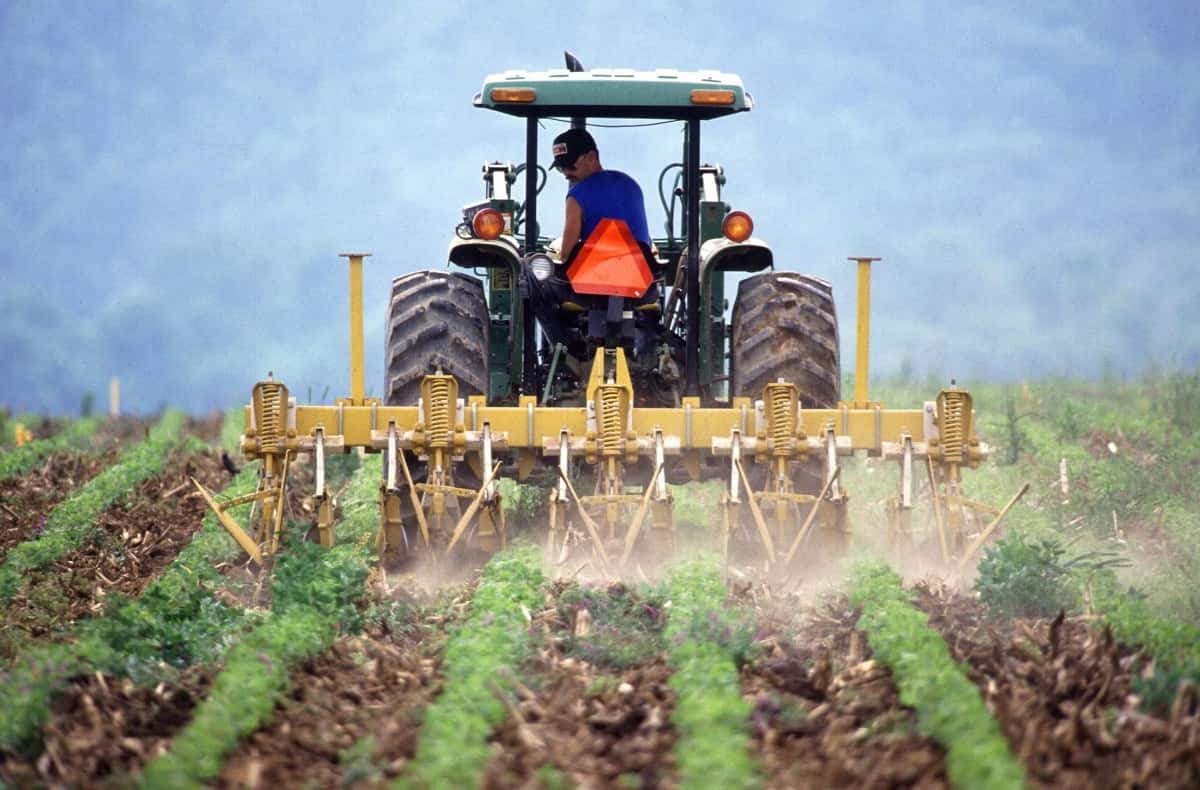
A farmer’s decision to purchase the right tractor is a crucial one. A tractor, which is not just another machine but the heart of a farmer’s daily operation, is much more than a machine. The right tractor can increase productivity, save time, and lower long-term costs. Understanding your individual needs will allow you to make an informed investment.
Comprehend Your Farming Requirements
Do you need a compact tractor for mowing, tilling, and light hauling? Small farms may need only a compact for mowing the lawn, tilling, and light hauling. Utility tractors may be required for medium-sized farms to do plowing, sowing, and lifting of materials. For large-scale farms, high-horsepower tractor models are needed to handle heavy-duty tasks such as deep tilling and attachments for large equipment.
List all your activities. Are you farming crops, managing livestock, or a combination of both? Each activity demands different tractor abilities. Understanding your workload allows you to choose the tractor model that is right for your needs and avoid spending unnecessary money.
Select The Right Horsepower
Selecting a tractor based on horsepower is essential. Compact tractors usually range between 15 and 40 horsepower, making them ideal for small farm work or landscaping. Utility tractors range from 40 to 100 horsepower and are capable of handling heavier farming tasks. Tractors over 100 horsepower may be needed by large farms for heavy machinery and large fields.
It is important to balance the fuel efficiency and performance by choosing the right horsepower. A vehicle with too much or too little horsepower may increase fuel costs. Your most demanding tasks should be matched with horsepower.
Consider The Types Of Transmission
Tractors offer different transmission options such as manual, hydrostatic, and powershift. Manual transmissions may be cost-effective and durable, but require greater experience to operate. Hydrostatic gearboxes offer smooth, user-friendly speed control. Power shift transmissions offer easy and efficient gear changes, even for heavy fieldwork.
The comfort level you have and the way you work should help guide your decision. It may be easier to have a tractor with a simple transmission if multiple people will use it.
Check The Compatibility Of Attachments
Attachments, such as plows, mowers, loaders, seeders, and sprayers, are important in modern farming. You should check the compatibility of a tractor before you buy it. Look at the power-take-off (PTO), flow of hydraulic fluid, and hitch.
A tractor with good hydraulic performance can handle an increased range of equipment. This flexibility helps maximize your investment by allowing you to adapt to different tasks at any time of year.
Evaluation Of Comfort And Safety Features
For long hours spent in the field, you need a tractor that’s safe and comfortable. Check for features like adjustable seating, ergonomic controls, AC, and low vibrations in the cabin. Safety is of equal importance. Seat belts (seat rollover structures), good lighting systems, and strong brakes help reduce accident risks. Safety features ensure that the operator is protected, as well.
Used vs New Tractors
It depends on both your budget and what you need. New tractors feature the latest technologies, improved fuel efficiency, and warranty coverage. These tractors are expensive. Used tractors tend to be cheaper and are capable of performing well when properly maintained.
Inspection of the engine and tires, service history, and hydraulics is important when purchasing used equipment. A trusted supplier of farm and Ranch equipment can assist you in finding reliable used models.
Think About Maintenance And Support
The cost of owning a tractor is not just the initial purchase. Maintenance, repairs, spare parts, and availability are important. Select a manufacturer and model where you can easily access service centers and parts. Working with a trusted farm equipment and ranch supplier guarantees you professional support, advice on maintenance, and a warranty.
After-sales Service is available to ensure that your tractor runs smoothly and efficiently during the crucial farming seasons.
Set An Affordable Budget
Create a detailed budget, which should include the tractor’s price, any accessories, fuel costs, maintenance, and insurance. Avoid stretching your budget to the limit. Remember, improving productivity is the ultimate goal.
A professional Farm and Ranch Equipment Supplier may be able to help you understand your financing options and select the tractor that best suits both your needs and your budget.
Conclusion
Selecting the right tractor takes careful planning and an understanding of what your farm needs. Make a confident choice by taking into account farm size, horsepower type, transmission, compatibility of attachments, comfort level, and long-term support. By partnering with a trusted farmer and ranch equipment provider, you will receive expert advice as well as quality equipment and dependable services. With the correct tractor, you’ll boost productivity, cut down on workload, and set up your farm for long-term prosperity.