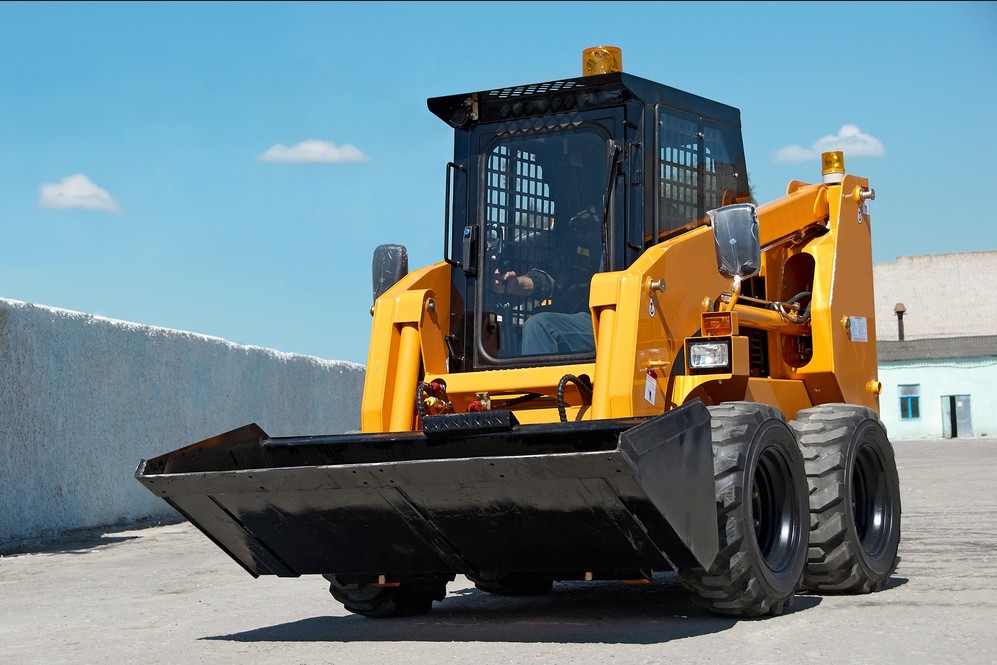
Skid steer loaders work well in construction, landscaping, agriculture, and maintenance. Contractors favor their little equipment because it digs, lifts, grades, and transfers materials efficiently. Operators like simple controls and rapid reactions. Owners benefit from lower operating costs and greater project flexibility. Skid steer loaders can go where heavier equipment cannot. Their design maximizes productivity without sacrificing power. Understanding the key benefits of skid steer loaders enables buyers to select equipment that increases efficiency, reduces labor, and provides consistent results across job site conditions. These advantages explain why workers use skid steers every day to meet tight deadlines and changing work requirements on tough projects.
Why Are Skid Steer Loaders So Versatile?
Wide Range of Attachments for Multiple Tasks
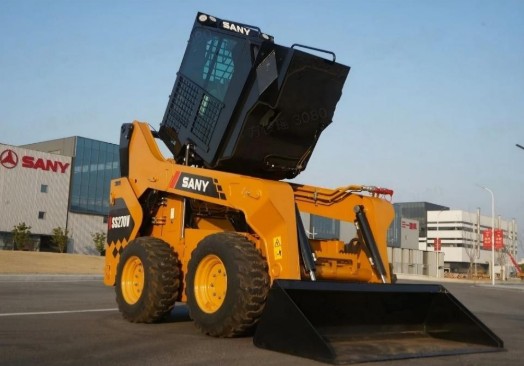
Skid steer loaders can accomplish a variety of tasks due to their versatile attachments. Buckets dig and load. A forklift transports pallets and supplies. Augers create post and footing holes. Cut clean utility lines with trenchers. Brooms and snow blades are used for seasonal chores. Each adapter fits the loader, allowing you to increase capacity without using any extra equipment. This flexibility allows employees to quickly switch employment based on their location. Contractors save on fleet management and equipment expenditures. A single skid steer may do construction, gardening, and property maintenance chores. Responding to shifting priorities with little downtime or extra work increases team productivity.
Quick Attachment Changes Improve Work Efficiency
Skid steer loaders are efficient with rapid attachment changes. Hydraulic or manual couplers enable tool swaps in minutes. Less time is lost between employment. Crews begin excavating, lifting, and cleaning immediately. Faster transitions keep projects on pace. Contractors avoid bringing many machines to one site. Reduced equipment mobility saves fuel and decreases congestion. Operators emphasize production above logistics. This speed boosts everyday productivity and allows teams to do more tasks in less time. On busy job sites with tight deadlines, efficient attachment modifications increase productivity. Project managers increase workflow and worker cooperation while dealing with shifting job demands.
One Machine Replacing Multiple Specialized Tools
Skid steer loaders replace many specialized tools by combining power and versatility in a single piece of equipment. Crews no longer require separate loaders, forklifts, or trenchers for minor operations. Attachments provide an effective solution for these duties. This consolidation decreases equipment transportation and storage requirements. Contractors simplify planning and reduce ownership expenses. Operators train on a single platform rather than many machines. Maintenance gets easier since there are fewer assets to handle. A single skid steer may be used for excavating, lifting, grading, and cleanup throughout a project. This efficiency benefits both small workers and major contractors by simplifying operations and enhancing jobsite management. It also avoids schedule conflicts and enhances equipment availability during fast-moving projects with limited space, allowing busy teams to manage several tasks efficiently every day.
What Makes Skid Steer Loaders Ideal for Tight Spaces?
Compact Design for Urban and Confined Job Sites
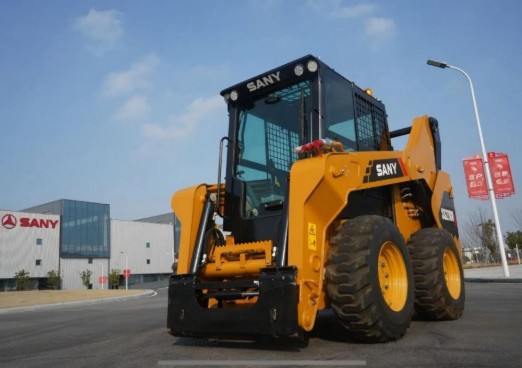
Skid steer loaders are designed to be small and suitable for use on urban and constrained job sites. Their compact footprint allows them to pass through narrow gates, alleyways, and tight work zones. Crews work in close proximity to buildings, fences, and utilities with minimal interruption. This skill is important for residential projects and municipal growth. Contractors avoid shifting barriers or harming surfaces. The machine is suitable for situations where larger equipment is ineffective. The compact size also lowers site congestion. Operators retain control when operating in a small space. This design allows personnel to execute duties effectively while respecting site restrictions and nearby property. It promotes safer operations and smoother workflows on congested job sites with severe access restrictions and rules imposed by governments and property owners during construction activities every day.
Exceptional Maneuverability and Zero-Radius Turning
Skid steer loaders are very useful in narrow locations due to their exceptional mobility. Zero-radius turning enables operators to pivot inside the machine’s length. Crews avoid continuously moving themselves when navigating obstructions. This saves time while reducing surface damage. Operators operate efficiently with materials, walls, and buildings. Precise control increases placement accuracy. Contractors rely on this movement for demolition, grading, and material handling jobs. Maneuverability also lowers operator fatigue. Smooth control enables steady output across extended shifts. This benefit keeps skid steers productive in areas where space is limited. It enables workers to maintain momentum and fulfill deadlines despite continual geographical limitations and frequent job changes throughout complicated urban construction and restoration projects’ daily on-site operations.
Strong Lifting Power in a Small Footprint
Despite their diminutive size, skid steer loaders can carry hefty loads. They use strong hydraulics to safely lift large goods. Crews lift pallets, rubbish, and other items without larger equipment. This aids in loading cars and properly positioning stuff. Lifts are stabilized thanks to their balanced design. Operators accurately regulate loads in congested locations. This capacity enables contractors to work efficiently on tiny sites. Strength and size increase production. Skid steer loaders can transport huge goods in narrow locations. This balance reduces equipment requirements and supports safe material handling under a variety of worksite conditions and daily operational demands for contractors managing tight layouts and frequent load movements efficiently on site.
Conclusion
Skid steer loaders offer key advantages that make them valuable across many industries. A skid steer loader allows one machine to handle multiple tasks through its versatility. The compact form makes it easier to work in small places. Strong lifting force ensures performance without the need for heavy equipment. Quick attachment changes increase efficiency and save downtime. These benefits assist contractors in controlling costs and simplifying processes. Skid steer loaders increase productivity for urban, residential, and commercial locations. Crews increase their efficiency and safety by selecting the appropriate setup. Understanding these benefits enables purchasers to invest confidence in equipment that produces consistent outcomes despite shifting worksite needs. It also assures long-term value, flexibility, and consistent performance for changing project needs across varied work settings across the country every day.