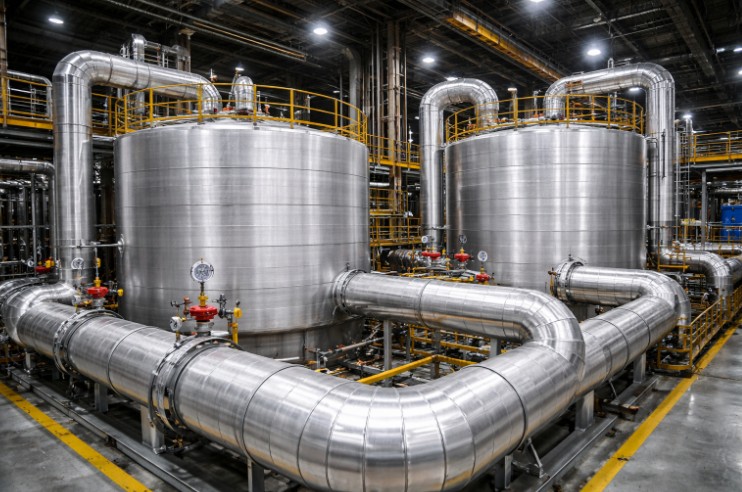
Energy efficiency and operational safety have become central priorities for industries and modern construction projects. As facilities operate under increasingly demanding thermal conditions, the need for reliable insulation solutions continues to grow. Among the available options, inorganic insulation materials stand out for their durability, fire resistance, and performance in extreme environments. These materials help control heat transfer, improve process stability, and reduce long-term energy costs across a wide range of applications.
Many industrial projects rely on trusted suppliers specializing in insulation inorganic material solutions designed for high-performance environments. Selecting appropriate insulation materials during the planning stage enables organizations to improve efficiency while maintaining safe, consistent operations.
Contents
- 1 What Are Inorganic Insulation Materials?
- 2 Key Benefits of Inorganic Insulation Materials
- 3 Excellent Thermal Resistance
- 4 Fire and Heat Protection
- 5 Long-Term Durability
- 6 Moisture and Chemical Resistance
- 7 Acoustic Performance
- 8 Common Types of Inorganic Insulation Materials
- 9 Mineral Wool
- 10 Glass Wool
- 11 Calcium Silicate
- 12 Ceramic Fiber
- 13 Perlite Insulation
- 14 Industrial Applications of Inorganic Insulation
- 15 Power Generation
- 16 Oil and Gas Industry
- 17 Manufacturing and Processing Facilities
- 18 HVAC and Building Systems
- 19 Marine and Transportation Applications
- 20 Environmental and Sustainability Advantages
- 21 Factors to Consider When Selecting Inorganic Insulation
- 22 Temperature Range
- 23 Environmental Exposure
- 24 Mechanical Strength
- 25 Installation Requirements
- 26 Maintenance and Inspection
- 27 Long-Term Performance and Cost Efficiency
- 28 Supporting Efficient and Safe Operations
What Are Inorganic Insulation Materials?
Inorganic insulation materials are thermal insulation products made from mineral-based or non-organic substances such as rock, glass, calcium silicate, or ceramic compounds. Unlike organic insulation materials derived from plastics or natural fibers, inorganic materials do not burn easily and can withstand high temperatures without degrading.
These materials are engineered to slow heat transfer by trapping air within their structure or using low-conductivity mineral compositions. Because of their stability under heat and chemical exposure, inorganic insulation materials are widely used in industrial facilities, power plants, and high-temperature processing systems.
Their non-combustible nature also makes them suitable for environments where fire safety is a major concern.
Key Benefits of Inorganic Insulation Materials
Inorganic insulation offers several advantages that make it a preferred choice for demanding applications.
Excellent Thermal Resistance
One of the primary functions of insulation is to minimize heat transfer. Inorganic materials maintain thermal resistance even at elevated temperatures, helping equipment operate efficiently while preventing energy loss.
Fire and Heat Protection
Most inorganic insulation materials are naturally non-combustible. They can tolerate extreme heat without melting or producing toxic smoke, making them ideal for industrial and commercial environments requiring strict fire safety standards.
Long-Term Durability
Inorganic materials resist aging, shrinking, and deformation. Unlike some organic insulation types, they maintain structural integrity over long periods, reducing replacement frequency and maintenance costs.
Moisture and Chemical Resistance
Many inorganic insulation products resist moisture absorption and chemical corrosion. This helps prevent insulation failure caused by condensation or exposure to harsh industrial environments.
Acoustic Performance
The dense fibrous structure found in materials such as mineral wool also provides sound absorption, reducing noise levels in mechanical rooms and manufacturing facilities.
Common Types of Inorganic Insulation Materials
Different industrial conditions require specific insulation solutions. The most widely used inorganic insulation materials include the following.
Mineral Wool
Mineral wool is produced from natural rock or slag melted at high temperatures and spun into fibers. It provides strong thermal insulation, fire resistance, and sound absorption, making it suitable for industrial equipment and building applications.
Glass Wool
Glass wool is made from recycled glass fibers and offers lightweight insulation with good thermal performance. It is commonly used in HVAC systems, walls, and ceilings where moderate temperature resistance is required.
Calcium Silicate
Calcium silicate insulation is known for its mechanical strength and ability to withstand high temperatures. It is frequently applied to pipelines, boilers, and industrial processing equipment.
Ceramic Fiber
Ceramic fiber insulation performs exceptionally well in extreme heat environments such as furnaces and kilns. It maintains insulation performance even at very high operating temperatures.
Perlite Insulation
Expanded perlite insulation is lightweight and resistant to fire and moisture. It is often used in cryogenic systems and specialized industrial applications.
Industrial Applications of Inorganic Insulation
Inorganic insulation materials support efficiency and safety across numerous industries.
Power Generation
Power plants depend on insulation to maintain temperature control in turbines, boilers, and steam pipelines. Proper insulation reduces fuel consumption and improves system performance.
Oil and Gas Industry
Refineries and petrochemical facilities operate under intense thermal conditions. Inorganic insulation protects equipment while maintaining stable processing temperatures.
Manufacturing and Processing Facilities
Industries such as metal processing, cement production, and chemical manufacturing rely on insulation to ensure consistent production conditions and energy efficiency.
HVAC and Building Systems
Heating and cooling systems use inorganic insulation to minimize energy loss, improve indoor comfort, and enhance fire protection within commercial and residential buildings.
Marine and Transportation Applications
Ships, offshore platforms, and transportation systems use inorganic insulation materials for fire protection and thermal stability in confined environments.
Environmental and Sustainability Advantages
Improving insulation efficiency contributes directly to environmental sustainability. Reduced heat loss lowers energy consumption, which in turn decreases greenhouse gas emissions.
Key sustainability benefits include:
- Lower carbon emissions from reduced fuel use
- Longer material lifespan and reduced waste
- Compatibility with energy-efficient building standards
- Support for green construction initiatives
Because inorganic insulation materials are often made from natural or recycled minerals, they align well with sustainability goals in modern infrastructure projects.
Factors to Consider When Selecting Inorganic Insulation
Choosing the right insulation material requires evaluating operational requirements carefully.
Temperature Range
Each material performs best within a specific temperature range. Selecting insulation suited to operating conditions ensures safety and durability.
Environmental Exposure
Moisture, chemicals, and outdoor conditions can influence insulation performance. Protective coatings or cladding may be required.
Mechanical Strength
Industrial environments often involve vibration or physical impact. Materials must maintain integrity under stress.
Installation Requirements
Proper installation affects insulation efficiency. Correct thickness, sealing, and support structures are essential for long-term performance.
Maintenance and Inspection
Routine inspections help detect damage early, ensuring insulation continues to provide expected energy savings.
Long-Term Performance and Cost Efficiency
Although insulation installation requires an initial investment, inorganic insulation materials deliver significant long-term savings. Reduced energy consumption lowers operational expenses, while durable materials decrease maintenance and replacement costs.
Facilities often recover installation costs through improved efficiency within a relatively short period. Beyond financial benefits, insulation improves workplace safety and operational stability, helping organizations maintain reliable production environments.
Supporting Efficient and Safe Operations
Inorganic insulation materials play a critical role in modern industry by combining thermal performance, fire resistance, and durability. As energy efficiency and sustainability continue to shape industrial decision-making, these materials provide practical solutions for reducing waste and improving operational reliability.
By understanding material types, benefits, and application requirements, businesses can implement insulation strategies that support long-term efficiency while maintaining safety standards across industrial and commercial environments.