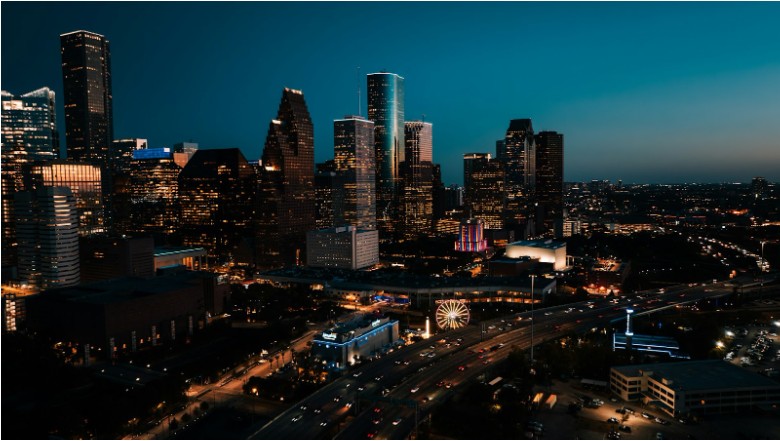
Houston’s insurance rates hit different compared to other Texas cities. If you’re new to Houston or you’ve been here a while, you’ve probably noticed your car insurance premium is way higher than what you’d pay in smaller towns or even other parts of Texas. It feels like the numbers came out of nowhere. People sometimes assume they’re getting overcharged or the insurance company is just being greedy. The truth is more straightforward than that. Houston presents real insurance challenges that drive costs up across the board.
Insurance companies don’t just guess at pricing. They look at actual data about what happens on Houston roads. They track accident rates, repair costs, and weather damage patterns specific to the area. When you understand what that data shows, the higher premiums start to make sense. It’s not unfair pricing. It’s pricing based on real risk.
Contents
The Traffic Situation Creates Constant Accident Exposure
Houston traffic is relentless. I-10 becomes a parking lot during rush hour. 288 is packed. 45 is always congested. The Beltway never really clears. Rush hour stretched throughout the day now.
People drive aggressively in this environment. Lane changes happen without looking. Tailgating is constant. Texting while driving is too common. Everyone’s rushing somewhere. That’s just Houston driving culture, and insurance companies have data showing it creates more accidents.
More traffic directly equals more accidents. Insurance companies use historical accident data by location to set rates. Houston consistently shows higher accident frequencies than suburbs. A single accident might involve two cars. Houston sees multi-car pileups on major highways regularly. When five or six cars crash because someone wasn’t paying attention, the damage costs multiply. That’s not a $2,000 claim. That’s $10,000 or $15,000 in combined damage. Those expensive claims get averaged into everyone’s rates.
Urban Crashes Happen With Frequency in Houston
The sheer number of vehicles on Houston roads creates more accident opportunities. You’ve got crowded intersections. Pedestrians crossing streets. Cyclists weaving through traffic. Parking lots are packed so tight that fender benders are almost guaranteed. Every single one of these situations creates accident risk.
Parking lot incidents alone add up significantly for insurance companies. Someone backing out without looking. A door opened into another car. Someone hitting a parked car while squeezing into a tight space. These aren’t dramatic accidents but they happen constantly in Houston, and they file as comprehensive or collision claims. Over time, that frequency affects rates.
Young people move to Houston for jobs all the time. They’re learning to drive in one of the most intense traffic environments in Texas. Statistically, young drivers have higher accident rates everywhere, but add Houston’s chaotic traffic and the risk jumps even higher. Insurance companies see more claims from drivers under 25 in Houston than they would in calmer traffic areas.
The aggressive driving culture compounds this. Honking is normal. Cutting people off happens daily. Speed limits are more like suggestions. That mentality creates situations where accidents aren’t accidents so much as inevitable consequences of how people drive.
Repair Costs in Houston Don’t Come Cheap
Labor rates at Houston collision repair shops are significantly higher than rural Texas shops. More vehicles need repairs means more demand, so shops charge more per hour. A Houston shop might charge $100 an hour while a small town charges $60.
Modern vehicles are complex. A fender bender now means replacing electronic sensors, cameras, and computer systems. Diagnosing and fixing that in Houston costs a lot. Parts availability matters too. Insurance companies factor in actual Houston repair costs when they price policies, and those costs are higher than most places.
Weather and Flooding Are Real Threats in Houston
Houston gets flooded regularly. Heavy rain causes flash flooding in streets and parking lots. Comprehensive claims get filed constantly. Beyond hurricane season, Houston experiences serious rain events that create water damage.
Hail storms happen periodically. Insurance companies get hit with dozens of hail damage claims in short periods. Tree branches break from wind and fall on cars. That’s all comprehensive coverage. Houston weather is unpredictable enough that comprehensive damage happens regularly.
Some Houston neighborhoods flood more frequently. Heights get waterlogged. Bellaire has flooding issues. Insurance companies have detailed maps of which areas have higher flood risk. If you live in those zones, your comprehensive rates reflect that actual risk.
The Complete Picture of Why Houston Costs More
When you add all of this together, the higher premiums aren’t mysterious anymore. Houston has more accidents because traffic is worse and more congested. Repairs cost more because labor rates are higher and vehicles are more complex. Weather causes more damage because Houston gets serious rain and storms. These aren’t insurance company decisions. These are facts about the Houston driving environment.
Someone moving from a small Texas town to Houston shouldn’t be shocked when their insurance bill goes up $50 or $100 a month. That’s reflecting real differences in the driving environment and actual risk. Understanding what drives the cost helps you accept it or make informed decisions about managing it through coverage choices.
If you’re trying to understand what cheap car insurance Houston actually looks like and how your specific situation affects pricing, you can explore cheap car insurance Houston rates and understand what impacts your cost.
Houston insurance costs what it costs because Houston presents real insurance challenges. The traffic, the accidents, the repair expenses, the weather. None of that is going away. Understanding why the costs are higher is the first step toward making smart insurance decisions.