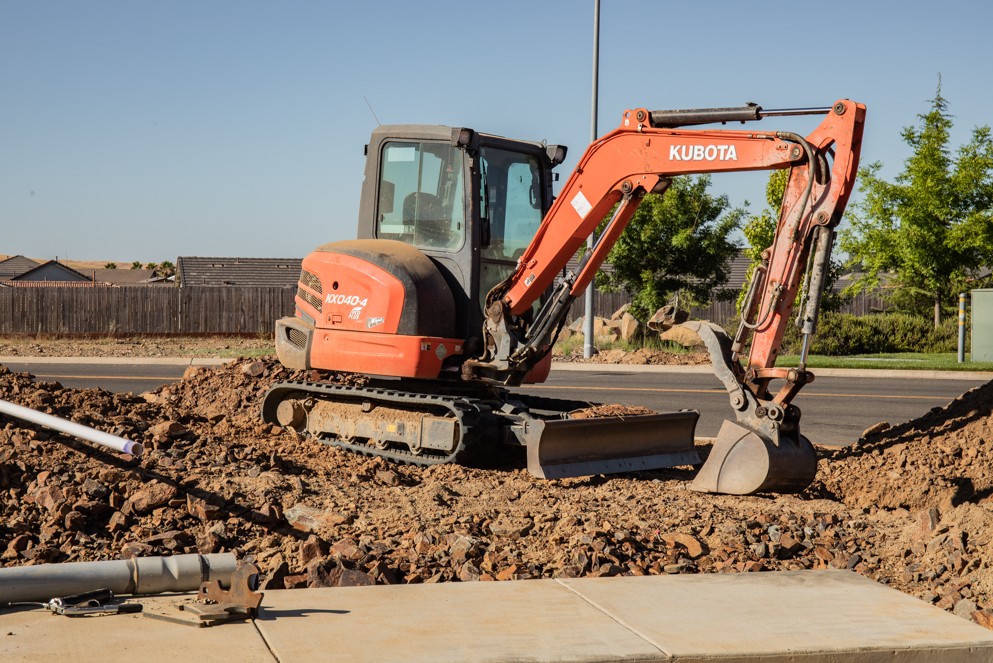
Excavators are crucial on job sites because they can do various duties. Excavators help builders prepare the ground, regulate soil, and stay on schedule. Operators can accommodate site constraints and project scope with different sizes and combinations. Excavators can replace various specialist tools with the correct attachments. This flexibility helps contractors cut costs and downtime. Knowing how excavators work explains why they’re used in nearly every construction phase, from early ground preparation to final cleanup and material handling before project closeout, where teams coordinate labor, equipment, and timelines to deliver safe, efficient results.
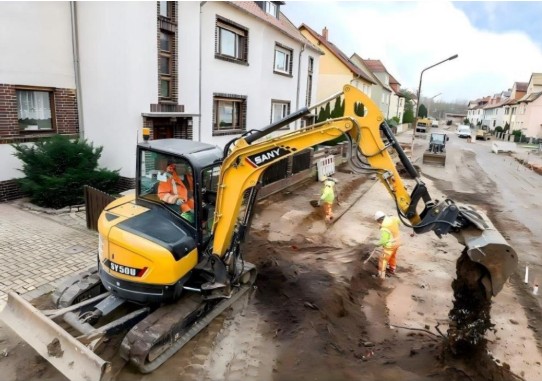
What Are the Most Common Excavator Tasks on a Jobsite?
Digging, Trenching, and Foundation Work
Excavators work quickly and consistently, digging, trenching, and building. Operators maintain the depth and alignment of utility, footing, and drainage trenches. Crews utilize the equipment to properly remove dirt and prepare materials for reuse or disposal. Building pads and basements are excavated under regulated conditions to form foundations. Buckets and trenching attachments reduce effort and improve accuracy. This capability lowers worker fatigue, shortens schedules, and enables contractors to meet structural requirements without repeated adjustments or overdigging during critical early construction phases. Project managers achieve consistent results with daily inspections, sequencing, and coordination with the concrete, utilities, and framing teams.
Material Handling, Lifting, and Loading
Excavators lift, load, and position large objects on the job site. Operators use buckets, grapples, and hooks to move pipes, pallets, garbage, and building materials. This eliminates manual labor and improves safety. Excavators load trucks effectively, reducing and managing haul cycles. They also assist personnel in properly arranging supplies. Excavators control movement and weight to preserve materials and structures while making steady progress on complex construction projects. At busy sites with several trades, site supervisors employ this capacity to maintain workflow, reduce congestion, and meet delivery deadlines without delays during peak hours.
Backfilling, Grading, and Site Leveling
Excavators help with backfilling, grading, and site leveling. To prevent structural movement, technicians carefully return earth after installing utilities or foundations. Attachments grade slopes, pads, and surfaces. This keeps surfaces stable and drains flowing properly. Excavators enable contouring without several passes. Leveling eliminates rework and prepares areas for paving, landscaping, or development. Contractors rapidly complete design plans and inspections with consistent outcomes. Finishing trades can start sooner with confidence in surface quality and less risk of water or settlement difficulties during long-term site usage phases following construction, improving project timeframes.

How Do Excavators Support Different Types of Construction Projects?
Residential and Commercial Building Sites
Excavators support residential and commercial building sites from start to finish. Crews use them to clear land, excavate foundations, and manage material flow. On residential sites, operators often choose an excavator mini to work around homes, fences, and utilities with controlled movements. Excavators are used in commercial projects to handle massive amounts of material with accuracy. Attachments provide rapid transitions between jobs. This versatility enables builders to manage schedules, eliminate machine downtime, and keep numerous trades running smoothly across varied worksite situations. Excavators are also used by contractors to support demolition, site cleanup, and material staging throughout the construction process, which increases safety, visibility, and productivity on busy construction sites with tight deadlines and coordination demands from owners, inspectors, and project managers.
Roadwork, Utilities, and Infrastructure Projects
Excavators are commonly employed in road, utility, and infrastructure building. Crews use them to dig trenches for water, gas, and electrical lines. Operators efficiently remove asphalt, concrete, and soil during repairs and upgrades. Excavators carefully install pipes, manholes, and buildings. Power and reach enable road construction with minimum disruption. This allows teams to safely complete phased work and maintain traffic flow throughout complex infrastructure construction and maintenance projects. Excavators are used by project engineers to achieve depth, alignment, and compaction criteria for long-term performance on roads, streets, bridges, and subterranean networks that serve communities on a daily basis without interruption.
Landscaping, Drainage, and Environmental Work
Excavators correctly sculpt the landscape for gardening, drainage, and environmental purposes. Workers dig ponds, swales, and drainage channels to regulate water flow. Operators accurately arrange rocks, soil, and plants while minimizing environmental disruption. Excavators are used in environmental projects to reduce erosion and restore land. Controlled movements protect delicate land. Excavators are important in projects that balance construction with environmental conservation. Contractors use them in parks, wetlands, and green spaces to ensure accuracy and minimize effects. Drainage improvements reduce flooding risks and help communities maintain long-term ground stability while adhering to environmental regulations and project sustainability standards set by local authorities and planners during the permitting process.
Excavators are indispensable in the realm of construction, offering versatility and efficiency across various tasks. Beyond digging and earthmoving, these machines play a crucial role in structural demolition services, where precision and power are paramount. With the ability to handle heavy-duty attachments, excavators can dismantle structures safely and systematically, ensuring debris is managed effectively. This capability not only accelerates project timelines but also enhances safety on the jobsite. As construction demands evolve, the adaptability of excavators continues to make them a cornerstone in modern construction practices, seamlessly integrating into diverse project requirements and contributing to the overall success of construction endeavors.
Conclusion
Excavators are versatile and can help with a wide range of job site duties. They assist staff with excavation, lifting, grading, and material handling. Their adaptability enables contractors to tackle residential, commercial, and infrastructure projects. Teams may increase output and save costs by selecting the right excavator and accessories. Understanding excavator operations allows project managers to plan more effectively, avoid delays, and deliver consistent results in a variety of construction settings. This insight may help owners and builders make better judgments and guarantee that equipment meets the scope, timetable, and project success.