
Modern construction excavators are highly versatile. On many projects, contractors use the same equipment to dig, lift, grade, and demolish. Flexibility reduces delays, streamlines planning, and improves workplace cooperation. Excavators quickly adapt to various tasks without requiring significant change. Their design enables precision work in small spaces as well as heavy-duty work in open situations. The reason excavators are so adaptable in construction is described here. Attachment options, job coverage, productivity, and cost are investigated. Understanding these characteristics enables contractors to select dependable, efficient, and valued equipment for a variety of building projects.
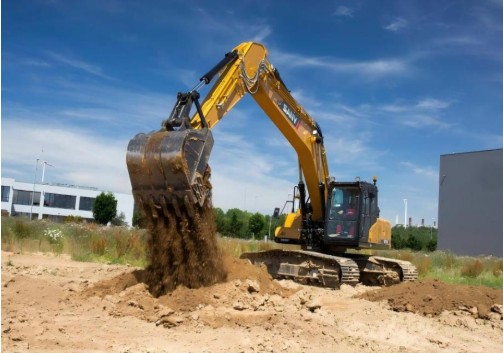
What Makes Excavators So Adaptable on Construction Sites?
Wide Range of Attachments and Tools
Excavators have a variety of attachments that extend their capabilities beyond digging. Trenching, grading, and cleaning buckets come in a variety of sizes and shapes. Breakers can destroy concrete and rock without the need for additional equipment. Augers create precise fence and foundation holes. Grip manages waste and material loading. A fast coupler allows operators to interchange tools in minutes. Because of its adaptability, a single excavator may handle a variety of tasks. Contractors save on space, equipment, and process. Excavators with diverse attachments can manage residential, commercial, and infrastructure projects with changing demands across job sites and timetables while maintaining efficiency and control on a daily basis.
Ability to Handle Multiple Construction Tasks
Excavators with the same base may do many construction tasks. Crews use little movement to dig trenches, load trucks, hoist supplies, and backfill. Excavators grade, contour slopes, and sweep up debris. Demolition professionals efficiently remove buildings and debris. This multitasking reduces idle time. Contractors avoid having too much equipment for each phase. Because one excavator may do many tasks, project managers must carefully plan their workload. This flexibility facilitates trade cooperation. Excavators can quickly adjust to unexpected assignments, keeping crews productive and projects moving forward across complex sites with shifting timelines and priorities without disrupting workflows or increasing contractor operating costs.
Suitability for Different Site Conditions and Terrains
Excavators are suitable for a wide range of site conditions and terrain. Tracked models help to stabilize soft, muddy, and uneven ground. Wheeled excavators are well-suited to pavement and urban surfaces. Compact machines operate in confined locations, and bigger machines operate in open spaces. Proper setup and technique aid excavators in maintaining balance on slopes. Attachments are compatible with sand, clay, rock, and mixes. Contractors employ excavators in remote, residential, and industrial settings. Flexible terrain removes the need for specialized equipment. Even when changing ground conditions and unexpected environmental challenges delay less adaptive excavators during demanding construction operations across a wide range of project scopes across the country, they remain reliable and productive.

How Do Excavators Improve Efficiency and Productivity?
Faster Project Completion Through Multi-Function Use
Excavators complete various duties without downtime, which speeds up project completion. Digging, lifting, and grading are all done using the same equipment. The time between phases decreases. Continuous operation promotes projects. Fewer machine changes make it easier to schedule and coordinate. Excavators reduce mobilization delays since they perform many tasks. Tighter timelines give project managers more latitude. Faster transitions allow workers to respond promptly to site changes. Multi-function use decreases project time. Contractors complete work more quickly while maintaining quality, safety, and control on complex projects with limited resources and tight client deadlines without increasing labor or equipment costs.
Reduced Need for Additional Heavy Machinery
Excavators help to reduce the amount of heavy gear on the site. Many duties are completed by a single machine rather than by loaders, trenchers, and lifters. The consolidation lowers equipment lease and ownership costs. Low machine counts reduce site congestion and coordination concerns. Fewer handoffs increase operator efficiency. Smaller fleets make maintenance planning easier. Contractors save money on gasoline and travel expenditures by moving fewer units. Reduced equipment diversity decreases traffic and interactions while increasing safety. Excavators provide adaptability without requiring fleet growth. This efficiency enables small and large contractors operating in a variety of locations around the country to operate more easily and effectively on construction projects of varying sizes and complexity.
Operator Control, Precision, and Advanced Technology
Excavators offer precision movement and placement. Smooth hydraulics allow for precise digging and lifting. Modern technology increases responsiveness and consistency. Assist systems manage grade, swing, and depth. Automation reduces rework and fatigue. Advanced monitors provide real-time machine performance feedback. Operators quickly adapt settings to task requirements. Improved control improves accuracy in utilities and structures. Precision reduces material waste and adjusting times. Technology enables operators to operate confidently and effectively, increasing productivity and safety in complicated construction activities where errors disrupt and endanger personnel, infrastructure, and schedules on demanding modern job sites with tight tolerance requirements and limited error control margins.
Why Are Excavators a Cost-Effective Choice for Contractors?
Excavators provide significant value since a single machine may perform several functions during its service life. Contractors invest in a single platform rather than several specialized units. This reduces the cost of purchase, renting, and maintenance. Excavators have a high usage rate since they are used on a daily basis. Fuel economy improves when one machine replaces multiple others. Training expenses are reduced since operators learn a single system. Resale value remains high because of widespread demand. Contractors may bid on additional jobs using their present equipment. Fewer pieces of equipment minimize storage and transportation costs. Excavators provide consistent returns over time while supporting productivity, safety, and long-term company growth in changing market conditions, without the need for continual fleet expansion or replacement for rising construction enterprises globally in competitive marketplaces.
Conclusion
Excavators earn their reputation for versatility through design, adaptability, and performance. Attachments expand capability across many tasks, and models such as the sy215c demonstrate how one machine can handle digging, lifting, grading, and demolition efficiently. Excavators work effectively in a variety of terrain and site circumstances. This flexibility boosts output, minimizes the demand for equipment, and keeps costs under control. Precision and technology help operators do their jobs safely and accurately. Contractors receive greater scheduling control and higher returns on investment. Versatile equipment accommodates changing project requirements. Excavators enable construction teams to work smarter, respond faster, and deliver consistent results on residential, commercial, and infrastructure projects in modern construction environments around the world, which are expanding on a daily basis.