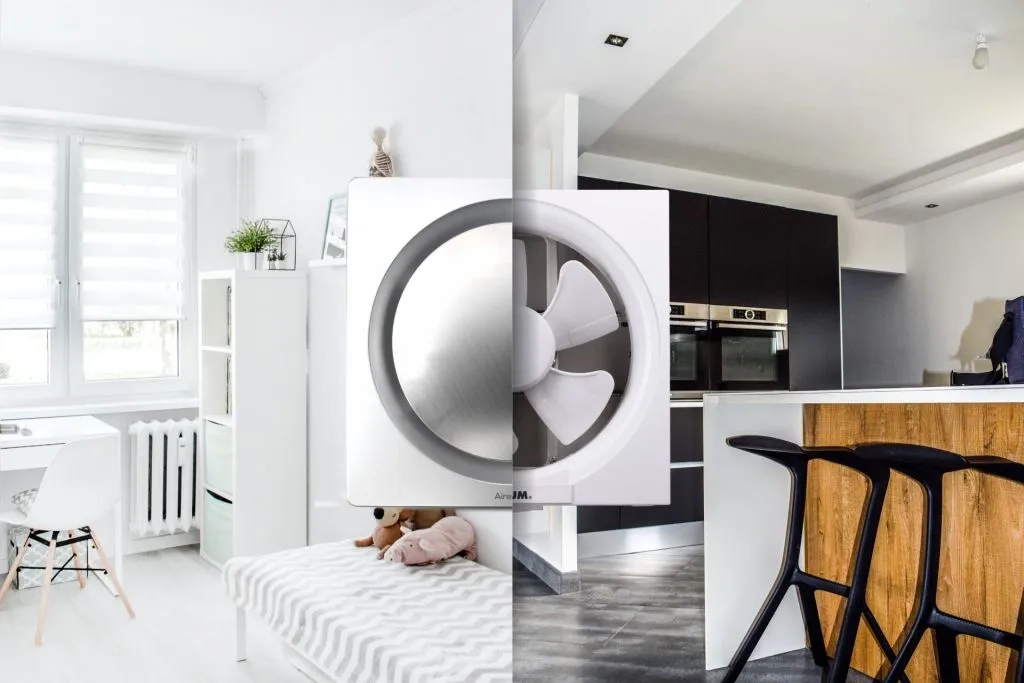
Comfort, health, and productivity are significantly influenced by indoor air quality; however, it is frequently disregarded during the design or management of a space. Whether in a home, office, or commercial building, stale air, excess moisture, and airborne pollutants can quietly build up over time. This is where a ventilation fan becomes essential. Understanding what a ventilation fan is and why it matters can help you create a healthier and more comfortable indoor environment.
Understanding What A Ventilation Fan Is
A ventilation fan is a mechanical device designed to move air in and out of a space to improve air circulation. Unlike systems that simply cool or heat the air, a ventilation fan focuses on replacing stale indoor air with fresh outdoor air or redistributing air within a building. This process helps regulate humidity levels, remove odours, and reduce the concentration of airborne contaminants.
In locations where air quality can rapidly deteriorate, such as bathrooms, kitchens, laundry rooms, basements, and industrial workspaces, ventilation fans are frequently implemented. They can operate continuously or intermittently, depending on the needs of the space. Some systems are small and localised, while others are integrated into larger building ventilation or HVAC systems.
How Ventilation Fans Work?
The basic function of a ventilation fan is simple. The fan motor drives blades that pull air through a duct or opening and direct it outside or into another airflow system. As stale air is removed, fresh air enters the space through doors, windows, vents, or dedicated intake systems.
This controlled movement of air prevents stagnation and helps maintain balanced indoor conditions. In modern buildings, ventilation fans are often designed to operate efficiently with minimal noise while delivering consistent airflow.
Why Indoor Air Quality Matters?
Indoor air may be more polluted than outdoor air, particularly in tightly enclosed or inadequately ventilated areas. Moisture, heat, and particulates are released into the air during routine activities, including cooking, cleaning, showering, and using electronic equipment. These elements can result in health concerns and discomfort over time.
Headaches, fatigue, allergies, and respiratory problems may be precipitated by inadequate air quality. It can also affect the safety and efficacy of workers in commercial and industrial environments. A ventilation fan helps reduce these risks by continuously refreshing the air and maintaining a healthier indoor environment.
Controlling Moisture And Preventing Damage
Excess moisture is one of the most common indoor air problems. Bathrooms and kitchens, in particular, produce elevated humidity levels that may induce condensation on ceilings and walls. Without proper ventilation, this moisture can encourage mould growth and damage building materials.
A ventilation fan helps remove moist air before it has a chance to settle. By controlling humidity levels, the fan protects surfaces, reduces maintenance costs, and extends the life of fixtures and finishes. This makes ventilation fans especially valuable in regions with high humidity or in buildings with limited natural airflow.
Improving Comfort And Temperature Balance
Stuffy rooms often feel warmer and less comfortable, even when the temperature setting appears correct. Poor air circulation can trap heat and create uneven temperature zones within a space. A ventilation fan promotes better airflow, helping distribute air more evenly and reducing hot or cold spots.
In work environments, improved airflow can make a noticeable difference in comfort and focus. Employees are more likely to feel alert and productive in spaces with fresh, well-circulated air.
Reducing Odours And Airborne Pollutants
Odours from cooking, cleaning products, and industrial processes can linger long after their source is gone. Ventilation fans help remove these odours at the source by quickly expelling contaminated air.
In addition to odours, ventilation fans also mitigate airborne contaminants, including dust, fumes, and volatile organic compounds. This is especially important in commercial kitchens, workshops, and manufacturing areas where air contaminants can accumulate quickly.
Supporting Energy Efficiency
While it may seem counterintuitive, proper ventilation can support energy efficiency when used correctly. Ventilation fans enhance the efficiency of heating and cooling systems by mitigating superfluous heat and moisture. This can prevent overuse of air conditioning or dehumidifiers and contribute to lower energy costs over time.
Modern ventilation systems are engineered to optimise energy efficiency, thereby minimising power consumption and providing superior aeration performance.
When Does Your Space Need A Ventilation Fan?
Not every space has adequate natural airflow. Buildings with sealed windows, high occupancy, or specific moisture-generating activities often require mechanical ventilation. If you notice persistent condensation, stale air, lingering odours, or discomfort despite temperature control, these are strong signs that a ventilation fan is needed.
Incorporating a ventilation fan into your space is not just about comfort; it’s about ensuring a healthier environment. Proper ventilation helps to reduce indoor air pollutants, control humidity levels, and prevent the growth of mold and mildew. For those looking to enhance their indoor air quality, consulting with experts can be invaluable. Companies like Bradham Comfort Services, Inc. offer insights and solutions tailored to your specific needs, ensuring that your space remains both comfortable and safe. By addressing ventilation proactively, you can significantly improve the overall air quality and create a more pleasant living or working environment.
Commercial spaces, multi-unit buildings, and industrial facilities benefit particularly from dedicated ventilation solutions that meet safety and air quality standards.
Conclusion
A ventilation fan is more than just an accessory. It is a critical component of a healthy indoor environment. By improving air circulation, controlling moisture, reducing pollutants, and enhancing comfort, ventilation fans protect both people and property. Whether for a residential setting or a commercial space, investing in proper ventilation is a practical step toward better air quality and long-term comfort.