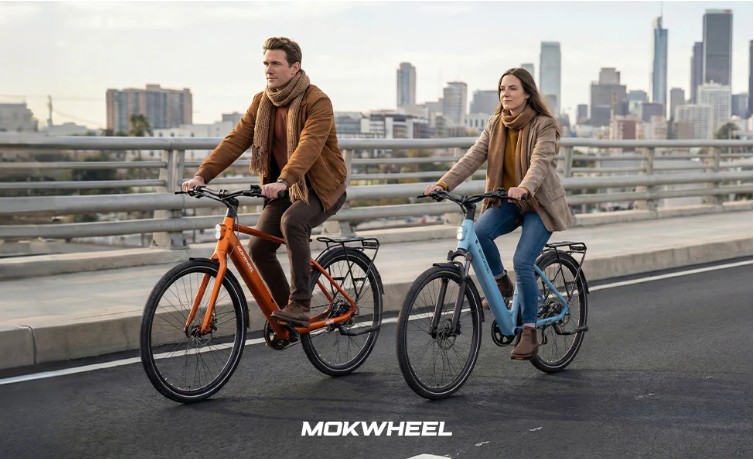
As electric bikes become part of everyday life for more people, the key question for consumers is shifting. It is no longer “Should I buy one?” but “Which one actually fits my needs?”
When people begin searching for an ebike for sale, it usually signals a move beyond casual interest toward practical decision-making—finding an electric bike that fits their budget, can be used long term, and aligns with how they actually ride.
The challenge is that today’s market offers a wide range of electric bikes with varied specifications, positioning, and price points. Relying only on numbers or cost comparisons often leads to regret once real-world use begins. Starting from riding habits and use scenarios, rather than spec sheets, tends to lead to better decisions.
Step One: Understand How You Ride daily
Before choosing among electric bikes, the most important question is not motor output or battery size, but a simple one: How will this bike be used most of the time?
Is it for daily commuting? Weekend rides and occasional exploration? Or one bike meant to handle commuting, errands, and cargo?
Riding frequency and terrain directly determine whether stability or versatility matters more.
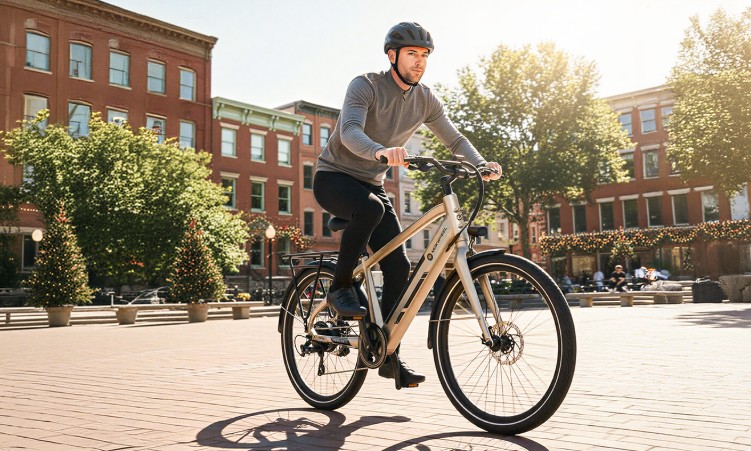
Urban Commuting and Daily Riding: Stability Comes First
For riders who primarily use their bike for commuting and everyday travel, the real value of an electric bike lies in consistency and comfort, not maximum performance. Frequent stops, bridge inclines, and repeated rides amplify differences in ride quality.
In these scenarios, Mokwheel’s Tarmac and Asphalt series focus on commuting efficiency and steady output. A top speed of 28 mph combined with up to 60 miles of range can cover a full week of city commuting for many riders. Front suspension helps absorb small road vibrations, making everyday rides smoother.
Tarmac places more emphasis on responsive power and commuting efficiency, while Asphalt balances performance with everyday usability, making it well-suited for regular, repetitive urban routes.
Weekend Distance and Mixed Terrain: Planning for Uncertainty
Once riding extends beyond city streets, unpredictable terrain becomes a key factor. Gravel paths, dirt roads, and uneven surfaces place higher demands on power reserves, tire size, and range.
Basalt and Basalt ST are designed for riders who prioritize exploration. With 1100W peak power and 26×4.0-inch wide tires, they remain stable on varied terrain. A range of up to 80 miles also reduces range anxiety on longer rides. The step-through frame on the ST version further eases frequent mounting and dismounting during extended trips.
Mountain Roads and Rough Conditions: Control Over Speed
On mountain paths or continuously rough surfaces, differences in ride quality become more noticeable. Here, stability, control, and vibration management matter more than speed.
Obsidian and Obsidian ST are designed with these conditions in mind. A 1300W peak motor, full suspension, and wide tires help reduce fatigue from constant impacts while providing dependable support for longer off-road rides. These models are better suited for riders who regularly encounter challenging terrain.
One Bike for Multiple Needs
Not every rider wants separate bikes for different purposes. For some, a single electric bike that covers commuting, weekend rides, and everyday cargo makes more sense.
Tor Plus balances power, versatility, and practicality. With 1100W peak output, front suspension, and wide tires, it transitions smoothly between paved streets and unpaved paths. A 28 mph top speed and up to 60 miles of range make it suitable for mixed-use riding.
New Riders: Budget Matters, but So Does Ride Consistency
For first-time electric bike riders, searching for an ebike for sale is often less about peak performance and more about ease of use and long-term comfort.
Mesa Lite focuses on approachability. Its 600W peak motor, 25 mph top speed, and up to 50 miles of range align well with everyday riding needs. Integrated lighting and a practical rear rack also make errands, commuting, and short trips more convenient, making it a common entry point into electric biking.
When Choices Match Real-World Use, Decisions Become Easier
Different riding styles naturally point toward different bike designs. Seeing these options presented side by side helps riders narrow their choices without being guided solely by price or specifications.
Choosing among electric bikes is ultimately a lifestyle decision. When selection begins with how you ride—not just what looks best on paper—finding the right bike becomes far more straightforward.