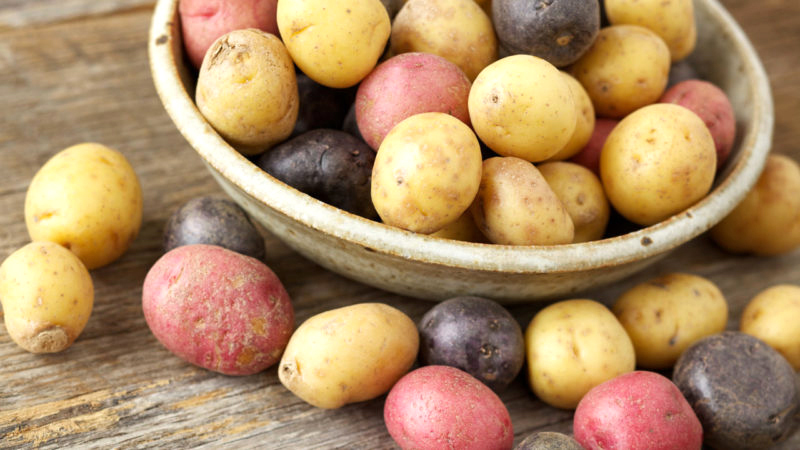
Starchy veggies are a staple of daily diets and provide vital energy in the form of natural carbs. Though they are often compared to other starchy vegetables like sweet potatoes, maize, and peas, potatoes continue to be one of the most popular foods. Making educated judgments regarding balanced nutrition and general well-being may be aided by knowing how certain items stack up. A thorough examination of the taste, adaptability, and nutritional profiles of potatoes demonstrates their value in a diverse diet, particularly when backed with trustworthy potato nutrition data.
Daily Energy Support And Nutrient Density
Potatoes are recognized for their high carbohydrate content, which gives the body and brain consistent energy. A medium potato, particularly when eaten with the skin, is a good source of fiber, potassium, vitamin B6, and vitamin C. These nutrients promote neuron function, immunity, and proper hydration. Potatoes provide a separate but equally significant collection of nutrients that help complete a balanced diet plan, in contrast to sweet potatoes, which have higher vitamin A. People who study comprehensive potato nutrition information may better understand this balance by seeing how each nutrient supports everyday health.
Although it has natural sweetness and healthy antioxidants, corn is another common starchy food that typically has less potassium and vitamin C than potatoes. Although they tend to have less total carbohydrate and more plant-based protein, peas also deliver energy. Every choice has a special place in a balanced diet, but potatoes are particularly noteworthy for their harmonious combination of vitamins and minerals that promote long-term health.
Meal Versatility, Cooking Techniques, And Texture
The culinary performance of each starchy vegetable is another useful comparison. Potatoes are very versatile since they may be prepared in a wide variety of ways and have a neutral taste. You may bake, boil, mash, roast, or add them to salads and soups. Depending on the species, their texture may vary from fluffy to creamy, making them suitable for use in both contemporary and comfort cuisine.
Although sweet potatoes have a naturally sweet taste that works well in both savory and dessert dishes, they act differently when cooked and can take longer to prepare. Peas are often used in stir-fries and easy side dishes, whereas corn is typically eaten grilled, steamed, or added to casseroles. All vegetables have their ideal conditions, but potatoes are more adaptable to a wider variety of cooking styles and cuisines than any other starchy vegetable.
Blood Sugar Considerations And Satiety
Starchy veggies have a natural effect on feelings of fullness and energy levels. Potatoes have a high satiety index, which means they prolong feelings of fullness and encourage thoughtful eating habits. Their high fiber content, particularly in types like red and russet potatoes, aids in maintaining steady energy levels and slowing digestion. Because sweet potatoes naturally include sugars and fiber, they deliver energy a little more slowly. Although they also provide you with long-lasting energy, corn and peas don’t usually give you the same feeling of fullness as potatoes do when you eat a balanced meal.
The preparation of these items is important when evaluating their effects on blood sugar levels. Potatoes that are baked or boiled with no additional fat remain nutrient-dense and provide steady energy. By reviewing the nutritional facts of potatoes, consumers may better understand how cooking and portion size impact general health.
Cost-Effectiveness And Availability In Daily Cooking
Potatoes’ year-round availability and low cost make them one of their most useful benefits. They may be used in anything from weekday dinners to festive feasts, and they cook fast and preserve well. Sweet potatoes might be significantly more costly and aren’t always accessible in every area. Although corn and peas are commonly accessible, their texture and nutritional content may be altered if they are bought frozen or canned.
For homes looking for wholesome and filling food without going over budget, potatoes are a dependable and constant option. The combination of potatoes’ high nutritional content, adaptability in cooking, and ease of accessibility sets them apart from other starchy vegetables.
Viewing Starchy Vegetables Equitably
Even though maize, peas, and sweet potatoes each have advantages, potatoes are still among the most adaptable and nutrient-dense vegetables. They are a useful mainstay in regular cooking because of their variety of vitamins, minerals, and natural energy support. People may pick potatoes as a nutritious contribution to a healthy lifestyle with confidence if they have access to reliable nutrition information about them.